Compare Local Contractors for Emergency Tree Removal Services
Compare local contractors for emergency tree removal to verify experience, define scope clearly, and set expectations in writing for a safe, effective job.
Emergency tree removal services typically cover the urgent removal of trees that pose immediate hazards to property, safety, or surrounding structures. This work often involves assessing the situation quickly, determining the best approach to safely eliminate the tree or limbs, and using specialized equipment to handle potentially dangerous conditions. Property owners may need emergency removal after storms, high winds, or other events that cause trees to fall or become unstable, requiring prompt attention to prevent further damage or injury.
Defining the scope of emergency tree removal work is essential to ensure clear expectations and effective service. A detailed scope outlines the specific tasks involved, such as removing fallen branches, dismantling hazardous trees, or clearing debris from access points. Clarifying these details helps property owners understand what is included, what safety precautions are taken, and any additional work that might be needed later. Having a written scope also provides a basis for comparing different service providers and ensures that everyone is aligned on the work to be performed.
Property owners can compare local contractors by evaluating their experience with emergency tree removal, understanding their approach to safety, and reviewing how they communicate scope and expectations. It’s helpful to ask about past work in similar situations and verify that the contractor clearly outlines the tasks involved. When comparing options, consider how each service provider describes their process, what equipment they use, and how they plan to manage the job safely and efficiently. Ensuring that scope details are documented in writing can help prevent misunderstandings and facilitate a smooth, effective response to urgent tree removal needs.
Compare local contractors by outlining project priorities, verifying experience, and setting clear expectations in writing.
- Compare Contractor Experience - Review the background and expertise of local contractors to ensure they can handle emergency tree removal effectively.
- Define Scope Clearly - Clearly outline the extent of work needed to set accurate expectations and prevent misunderstandings.
- Verify Credentials and References - Check references and past work to assess the reliability and quality of local service providers.
- Document Service Details - Obtain written agreements that specify the scope, responsibilities, and expectations for the project.
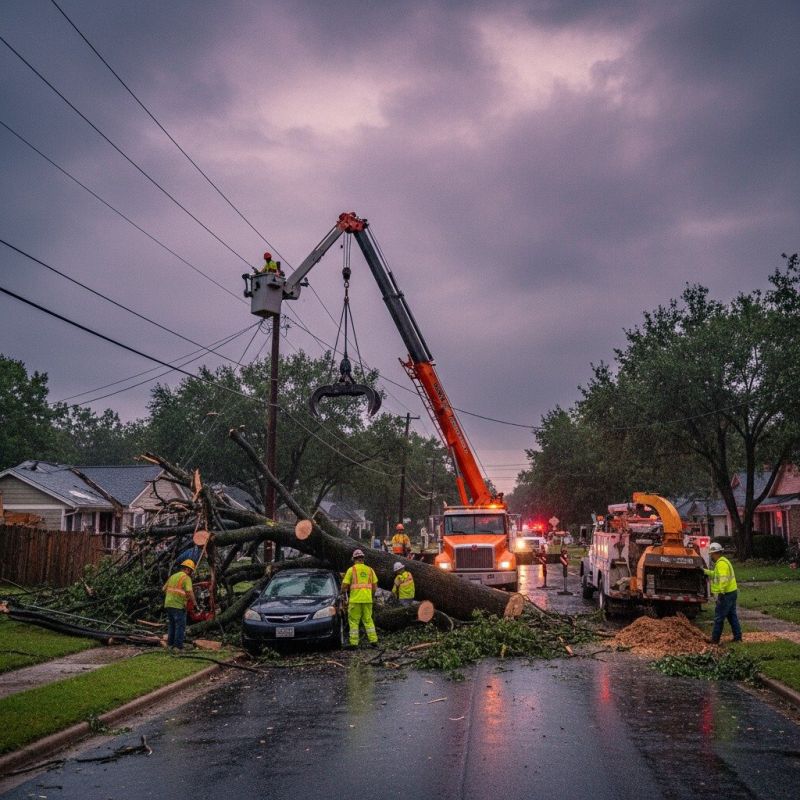
Clearly describe the emergency tree removal project to compare service providers, verify experience, and set expectations in writing.
- Verify the experience and qualifications of local contractors specializing in emergency tree removal. - Ensure service providers have a clear understanding of scope and the specific requirements of emergency situations.
- Compare multiple local contractors to assess their expertise and reputation in handling urgent tree removal jobs. - Look for reviews or references that highlight successful emergency tree removal projects.
- Define the scope of work in writing to clarify what is included and what is not during the emergency removal process. - Confirm that the scope covers safety measures, debris removal, and property protection.
- Check that service providers have appropriate insurance coverage to protect against potential damages or accidents. - This helps ensure accountability and reduces liability concerns.
- Request detailed written estimates or proposals to understand the scope and expectations before work begins. - Clear documentation helps prevent misunderstandings and sets clear project boundaries.
- Ensure that the contractor adheres to safety protocols and follows industry best practices during emergency tree removal. - Proper safety measures are essential for effective and responsible job completion.
Compare local contractors’ experience and clarify project scope to ensure safe, effective emergency tree removal.
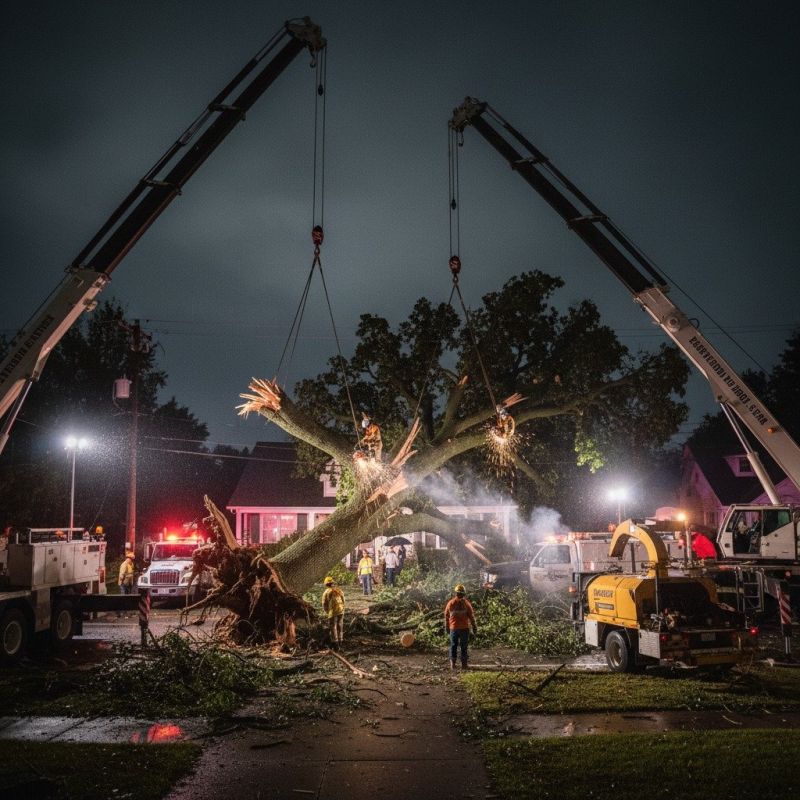
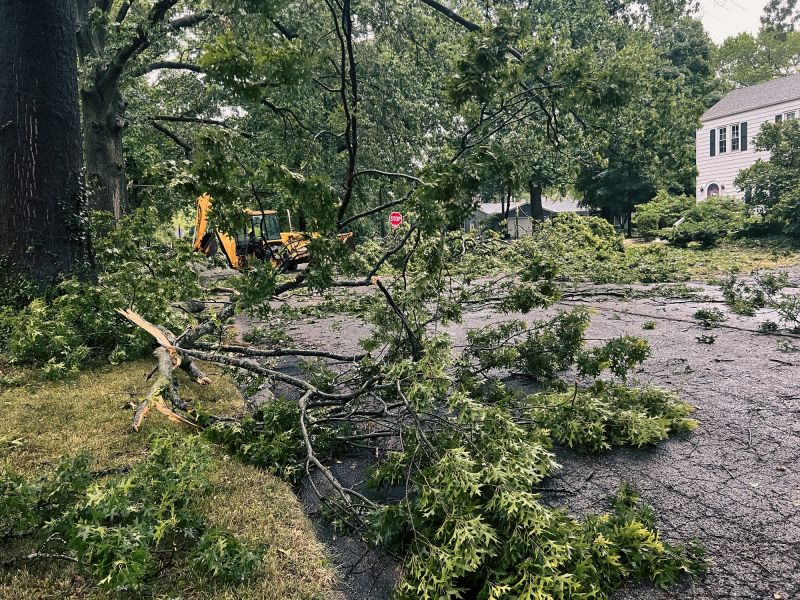
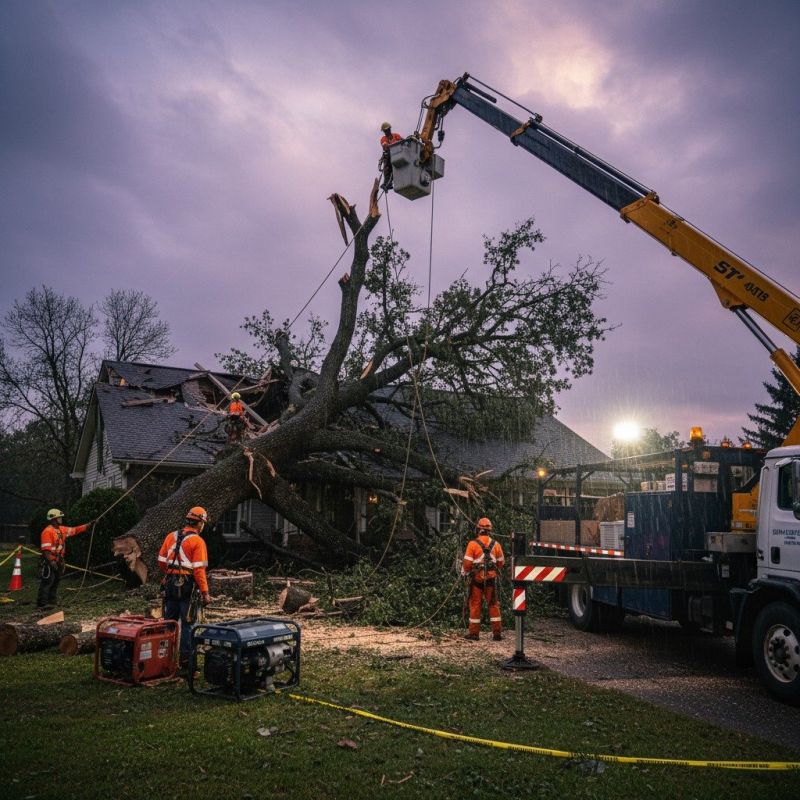
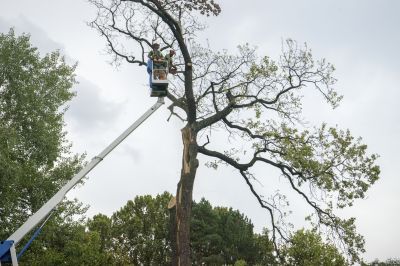
Use consistent scope definitions and experience verification to effectively compare local contractors for emergency tree removal.
- Scope Definition - Clearly outline the extent of the tree removal, including which trees or branches are to be addressed.
- Site Assessment - Identify potential hazards, access restrictions, and specific site conditions that may impact the removal process.
- Experience Verification - Confirm that the service providers have relevant experience handling emergency tree removal in similar environments.
- Work Specifications - Document detailed work procedures, safety considerations, and any equipment or methods to be used during removal.
- Written Agreement - Ensure all scope details, expectations, and responsibilities are documented in a formal agreement before work begins.
When evaluating contractors for emergency tree removal, it is important to consider their experience with similar projects. Look for service providers who have a history of handling urgent tree removal situations, especially those involving trees of comparable size, location, or complexity. A contractor’s familiarity with emergency scenarios can indicate their ability to work efficiently and safely under pressure, reducing the risk of unexpected issues during the process. Verifying the types of projects they have completed can help ensure that their expertise aligns with the specific needs of the emergency at hand.
A clear, written scope of work is essential for setting proper expectations and ensuring all parties are aligned. When comparing contractors, request detailed descriptions of what the removal will entail, including the methods they plan to use, the equipment involved, and the extent of the work. A well-defined scope helps prevent misunderstandings and provides a basis for assessing whether the contractor’s approach matches the urgency and complexity of the situation. Service providers who can articulate their process clearly and in writing demonstrate professionalism and transparency.
Verification basics are key to narrowing down suitable options. Confirm that contractors have the necessary experience with emergency tree removal, and seek references or examples of past work if available. It’s also helpful to check if they follow safety protocols and have appropriate insurance coverage, even if not explicitly discussed as licensing or certification. Gathering information about their reputation and reliability through reviews or referrals can provide additional confidence in their ability to deliver quality service during urgent situations.
When comparing options, focus on how well each service provider’s approach aligns with the specific emergency needs. Consider their communication style, clarity of the scope of work, and demonstrated experience. Asking for detailed descriptions of their process and verifying their background can help determine which contractor is best equipped to handle the situation efficiently. Remember, this site serves as a neutral guide to connect homeowners with local service providers, empowering informed decisions without discussing prices or making guarantees.
Ask contractors to provide written scope of work and clarifications to ensure consistent expectations for emergency tree removal.
- Scope of Work - What specific services are included in the emergency tree removal proposal?
- Experience and References - How can the service providers demonstrate their experience with emergency tree removal projects?
- Insurance and Liability - What insurance coverage do the contractors have to protect against potential damages or accidents?
- Written Agreements - Are all project details, responsibilities, and expectations documented in a written contract?
- Comparison of Services - How do the scope and approach of different local contractors differ for emergency tree removal?
What should I consider when choosing a contractor for emergency tree removal? It is important to compare the experience, reputation, and scope of services offered by different local contractors to ensure they can handle the specific needs of the removal job.
How can I verify a contractor's experience with emergency tree removal? Checking references, reviewing previous work, and confirming the contractor’s familiarity with the type of tree and situation can help assess their experience and capability.
What questions should I ask to clarify the scope of the work? Inquire about the methods they will use, the equipment involved, and the extent of the removal to ensure the scope aligns with your expectations and needs.
Why is it important to get the scope of work in writing? Having a clear, written scope helps prevent misunderstandings, sets expectations, and provides a reference for the work to be performed by the contractor.
How can I compare different local contractors for emergency tree removal? Review their experience, scope of services, communication clarity, and reputation to determine which provider best matches the specific requirements of the job.
What role does communication play in selecting a contractor for emergency tree removal? Effective communication ensures that the scope, expectations, and any concerns are clearly understood and documented before work begins.
By exploring options for emergency tree removal, visitors gain insight into how to define the scope of the work, verify the experience of local contractors, and set clear expectations in writing. Comparing multiple service providers ensures that choices are informed and suited to specific needs, helping to make well-grounded decisions during urgent situations. Utilizing the quote form is an effective way to connect with trusted local contractors who can handle the job efficiently and professionally.
Utilizing the quote form allows visitors to easily compare local contractors specializing in emergency tree removal, providing a straightforward way to evaluate options. This process supports making informed selections by gathering details about each service provider’s experience and scope of work, ensuring that the chosen contractor aligns with the specific requirements of the project.