Get Dead Tree Removal in Superior, WI
Dead Tree Removal services for Superior, WI, and nearby areas address hazardous or dead trees, storm damage cleanup, and removal of problematic or fallen branches.
Dead tree removal services are often considered by property owners in Superior, WI to enhance safety and prevent potential hazards. Dead or decaying trees can pose significant risks, including falling branches or entire trees that might damage property or injure individuals during storms or high winds. Removing these trees helps eliminate these dangers, providing peace of mind and ensuring the safety of residents, visitors, and nearby structures.
In addition to safety, dead tree removal can improve the overall appearance and functionality of a property. Clearing out unsightly or decaying trees can boost curb appeal, making outdoor spaces more inviting and well-maintained. It also reduces ongoing maintenance needs, such as cleaning up fallen debris or dealing with pest infestations that often accompany dead trees. This process supports the durability of landscaping and helps maintain a clean, attractive environment.
- Hazardous tree removal is needed when a tree poses a risk of falling and causing damage or injury.
- Storm-damaged tree cleanup becomes necessary after severe weather events that weaken or topple trees.
- Dead or decaying tree removal is required when trees show signs of disease or decay that threaten their stability.
- Overgrown tree removal may be needed to clear space and prevent interference with power lines or structures.
- Construction site clearing involves removing trees that obstruct building or landscaping projects in the area.
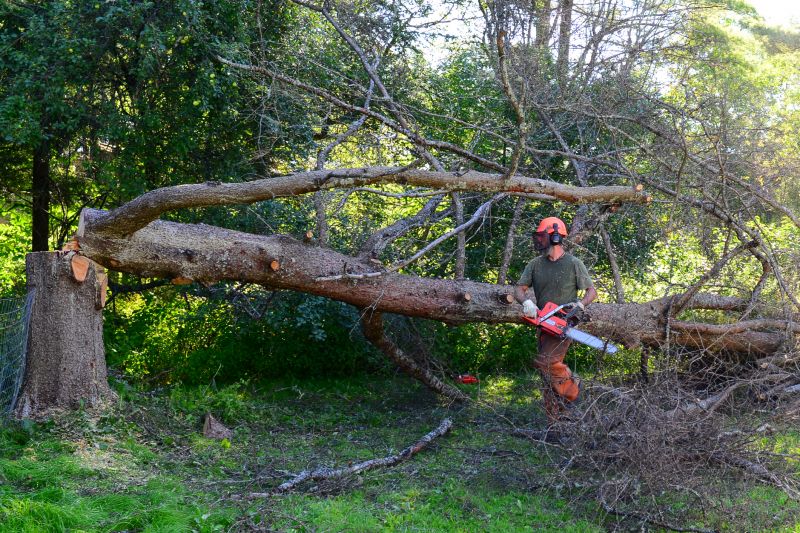
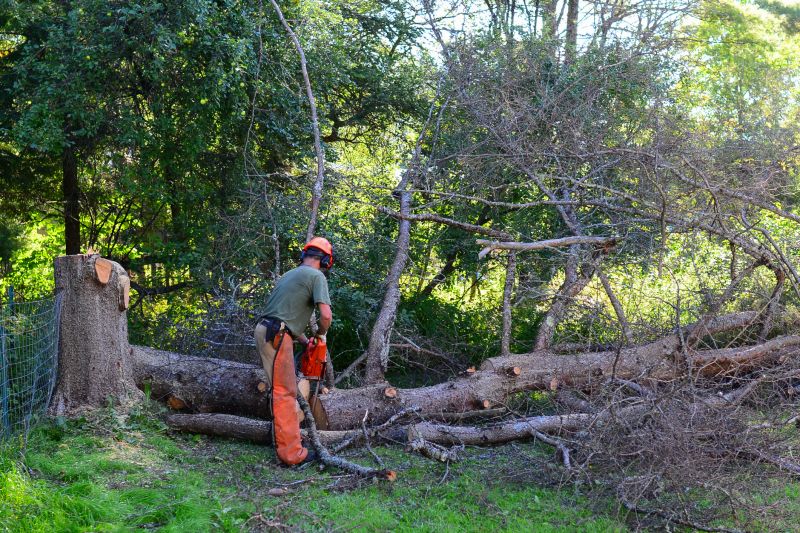
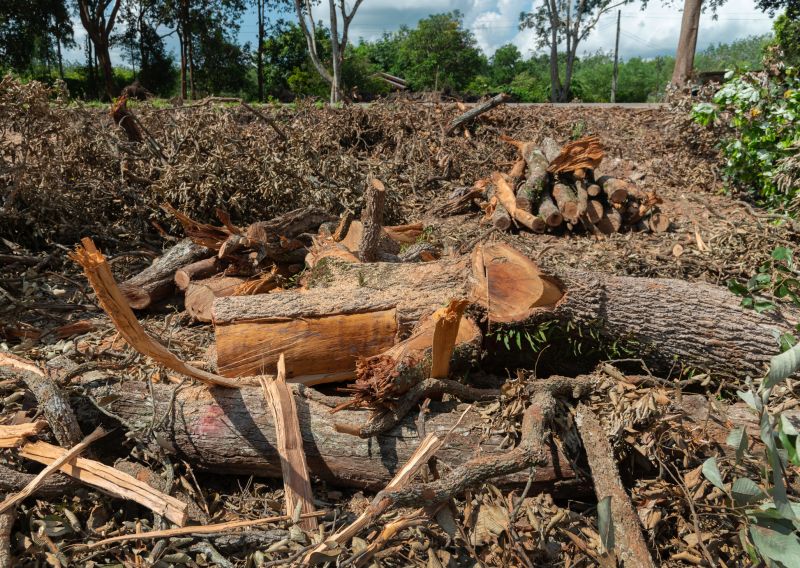
Dead tree removal services involve the professional process of safely and efficiently removing unwanted or hazardous trees from a property. This typically includes assessing the tree’s condition, planning the removal strategy, and utilizing specialized equipment to cut and dismantle the tree. The process often requires careful planning to prevent damage to nearby structures, landscaping, or utility lines, ensuring the removal is conducted in a controlled manner. The goal is to eliminate the tree in a way that minimizes disruption and maintains safety throughout the operation.
These services help address several common problems associated with trees that are no longer healthy, pose safety risks, or interfere with property use. Dead or decaying trees can become unstable and prone to falling, which may threaten people, pets, or nearby structures. Overgrown or improperly maintained trees can also obstruct views, block sunlight, or interfere with utility lines. Removing problematic trees can improve property safety, prevent potential damage, and enhance the overall appearance of the landscape.
Properties that frequently utilize dead tree removal services include residential homes, commercial properties, and public spaces. Residential properties often require tree removal to eliminate hazards, improve curb appeal, or make way for new landscaping projects. Commercial sites may need regular assessments and removals to maintain safety standards and ensure the safety of employees and visitors. Public parks and municipal areas also rely on these services to manage trees that have become hazardous or are no longer healthy, ensuring community safety and aesthetic appeal.
Professional tree removal providers typically serve a wide range of property types, from single-family homes to larger commercial complexes and municipal parks. They are equipped to handle various sizes and types of trees, whether in tight urban settings or expansive rural landscapes. Contacting local tree removal specialists can help property owners and managers address specific concerns related to dead or hazardous trees, ensuring the safety and visual appeal of their spaces are maintained.
The overview below groups typical Dead Tree Removal projects into broad ranges so you can see how smaller, mid-sized, and larger jobs often compare in Superior, WI.
In many markets, a large share of routine jobs stays in the lower and middle ranges, while only a smaller percentage of projects moves into the highest bands when the work is more complex or site conditions are harder than average.
Tree Removal Costs - The cost for removing a dead tree typically ranges from $200 to $1,000, depending on the size and location. Smaller trees may cost less, while larger, more complex removals can be significantly higher. Local pros can provide estimates based on specific tree characteristics.
Stump Grinding Expenses - Stump grinding services generally cost between $75 and $300 per stump. The price varies based on stump size, depth, and accessibility, with larger stumps requiring more extensive work. Contact local providers for precise quotes.
Additional Service Fees - Some dead tree removal projects may include extra charges for equipment setup, cleanup, or difficult access, which can add $50 to $200 to the total cost. These fees depend on site conditions and service complexity.
Cost Factors - The overall cost of dead tree removal depends on tree height, diameter, and proximity to structures or power lines. Larger or more hazardous trees tend to increase the price, with local contractors offering tailored estimates based on these factors.
Actual totals will depend on details like access to the work area, the scope of the project, and the materials selected, so use these as general starting points rather than exact figures.
Dead Tree Removal services involve the safe and efficient removal of hazardous or unwanted dead trees from residential or commercial properties. Local professionals can assess the tree’s condition and perform the removal to prevent potential damage or safety risks.
Tree Cleanup and Disposal services include the removal of fallen or cut dead trees, along with the proper disposal of debris to maintain a tidy property. Contractors can handle the cleanup process after dead tree removal is completed.
Emergency Tree Services are available for urgent situations where dead or damaged trees pose immediate safety hazards. Local experts can respond quickly to mitigate risks and remove dangerous trees from the property.
Stump Grinding and Removal services are often provided after dead trees are cut down, helping to eliminate remaining stumps and prevent regrowth. Specialists use equipment to grind down stumps to ground level or remove them entirely.
Land Clearing services may include removing dead trees as part of larger property or land development projects. Experienced contractors can clear areas to prepare for construction, landscaping, or other uses.
Tree Health Assessment services involve evaluating the condition of trees to determine if dead or dying trees need removal. Arborists or tree specialists can identify hazards and recommend appropriate action.
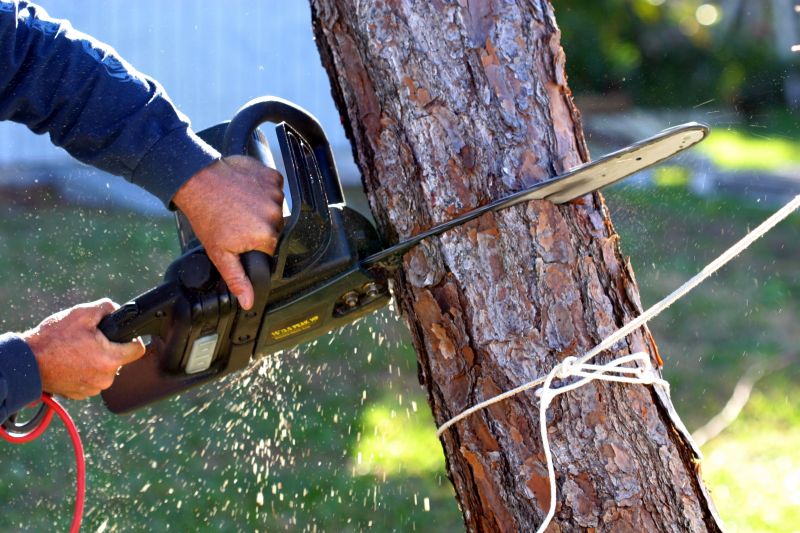
When selecting a professional for dead tree removal, it’s important to consider the experience of local contractors. Experienced service providers typically have a history of handling various tree removal projects, which can contribute to efficient and effective results. Homeowners may want to inquire about the number of years a contractor has been in business or the types of trees they have successfully removed to gauge their expertise. This background can help ensure the chosen professional is familiar with the challenges that may arise during the removal process.
Clear communication and well-defined written expectations are essential when working with tree removal contractors. Reputable service providers often provide detailed estimates and explain the scope of work, including any necessary preparations or post-removal cleanup. Having a transparent dialogue about the process can help homeowners understand what to expect and avoid misunderstandings. It’s also beneficial to ask for written documentation outlining the agreed-upon services, which can serve as a reference throughout the project.
Reputable references and reviews can offer valuable insights into the reliability and quality of a local tree removal contractor. Homeowners are encouraged to seek recommendations from friends, neighbors, or online review platforms to identify providers with positive track records. Good communication and responsiveness from the contractor during the inquiry process can also indicate a professional approach. Since the information below connects users with local options, it’s important to evaluate each contractor’s reputation and communication style to select a provider that aligns with individual project needs.
Property owners in Superior, WI use Dead Tree Removal services for practical projects around their homes and businesses. The sections below highlight everyday jobs and straightforward project options.
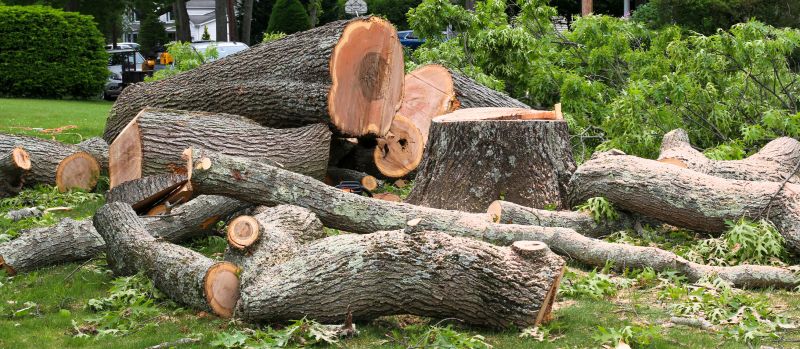
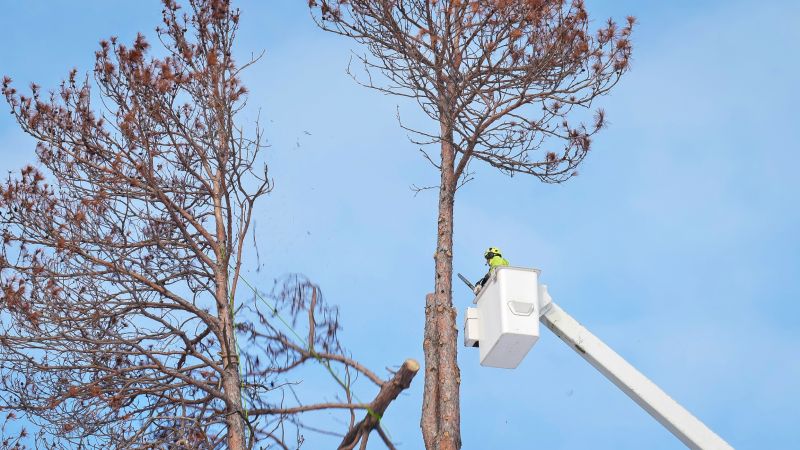
Dead tree removal services are commonly sought by property owners in Superior, WI, when trees become hazardous due to disease, storm damage, or decay. Removing problematic trees can help prevent potential risks such as falling branches or trunks that could damage property or pose safety concerns. Additionally, property owners may opt for tree removal to improve the overall appearance of their landscape or to create space for new planting or construction projects.
In some cases, dead or dying trees may interfere with utility lines or obstruct views, prompting property owners to seek professional removal. Overgrown or unstable trees can also threaten nearby structures or power lines, leading residents to contact local service providers for safe and efficient removal. These services help maintain property safety and aesthetics, especially in areas prone to severe weather conditions.
What is dead tree removal? Dead tree removal involves the process of safely removing trees that are no longer alive or pose a risk to property or safety, typically performed by professional service providers in the area.
Why should I consider removing a dead tree? Removing a dead tree can prevent potential hazards such as falling branches or complete toppling, which could damage property or cause injury.
How do local professionals handle dead tree removal? Local pros assess the tree’s condition, determine the safest removal method, and use specialized equipment to carefully remove the tree and debris.
Does dead tree removal require permits? Permit requirements vary by location; it’s recommended to contact local authorities or service providers to determine if permits are needed in the area.
What should I do before scheduling dead tree removal? It’s advisable to clear the area around the tree and inform the service provider of any nearby structures or utilities to ensure a smooth removal process.
Dead Tree Removal Services - Local professionals offer safe and efficient removal of dead or hazardous trees to help maintain property safety.
Dead Tree Assessment - Experts can evaluate the health of trees and recommend appropriate removal or treatment options.
Emergency Dead Tree Removal - Service providers are available to address urgent situations involving fallen or dangerously leaning trees.
Stump Grinding and Disposal - Pros can handle stump removal after tree removal to improve landscape appearance and safety.
Considering Dead Tree Removal for a property in Superior, WI? The sections above highlight common project types, practical options, and details that often shape the scope of work.
When you are ready, use the quote form to share a few details about your project. Local pros can review the basics and respond with options that match what you have in mind.